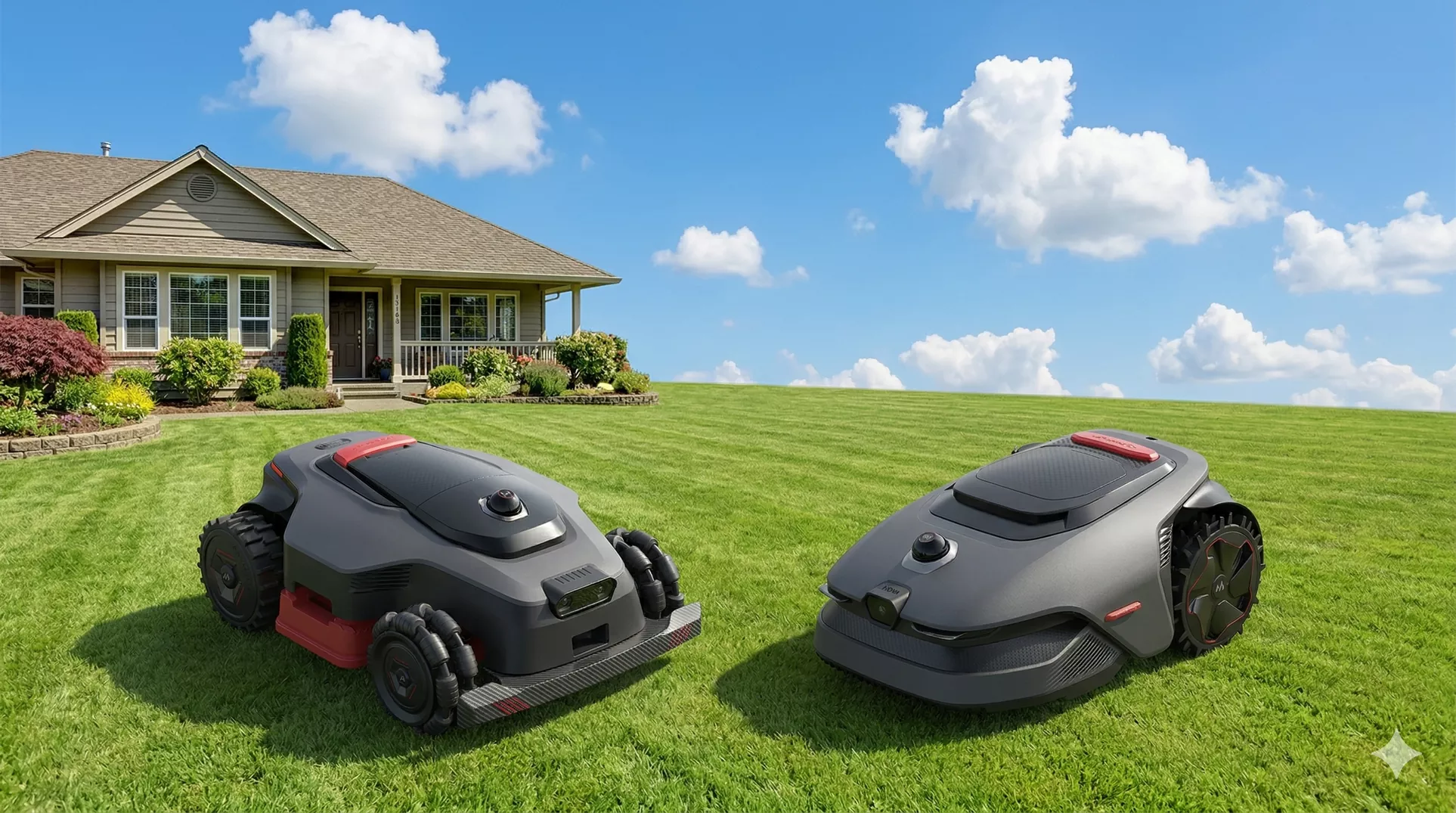
Spring is here, the grass is waking up, and the robot mower advertising algorithms are working overtime. If you have spent any time researching robotic lawn care recently, you have undoubtedly been targeted by ads for the brand-new 2026 MOVA LiDAX Ultra Series.
On paper, MOVA’s spec sheet looks like it was designed to absolutely destroy the Segway Navimow and Mammotion LUBA 3.
But before you click “Pre-Order” and drop over $2,000 on this new machine, you need to understand exactly who you are buying from. MOVA is not a legacy landscaping company. They are a smart home and robot vacuum company. Can an indoor vacuum brand survive the harsh, muddy, unpredictable reality of an outdoor lawn? Let’s cut through the confusing marketing numbers, look at the hardware, and expose the massive risks of being an early adopter.
Decoding the Confusing Model Numbers
If you look at the MOVA website, you are hit with a wall of confusing model numbers: 800, 1000, 1200, 1600, 2000… and then an entirely separate “AWD” tier with the same numbers.
Let’s simplify this immediately. The numbers in the model names simply refer to the Maximum Mapping Area in square meters (for context, 1000m² is roughly 0.25 acres).
It is just a software lock. A LiDAX 800 and a LiDAX 1200 are the exact same physical machine. The company is just charging you more money to unlock a larger digital map in the app.
The only choice you actually need to make is whether to buy the standard Rear-Wheel Drive (RWD) chassis or the All-Wheel Drive (AWD) chassis. These are two completely different machines wrapped in the same branding. Let’s break down the specs to see which one deserves your money this spring.
The Spec Sheet: MOVA RWD vs. AWD
To keep things simple, we are going to compare the LiDAX Ultra 1000 against the LiDAX Ultra AWD 1000. Both are designed for a 0.25-acre yard, but the hardware underneath is radically different.
The Hardware: An Undeniable Beast
We have to give credit where it is due: MOVA’s hardware engineers went all out, especially on the LiDAX Ultra AWD.
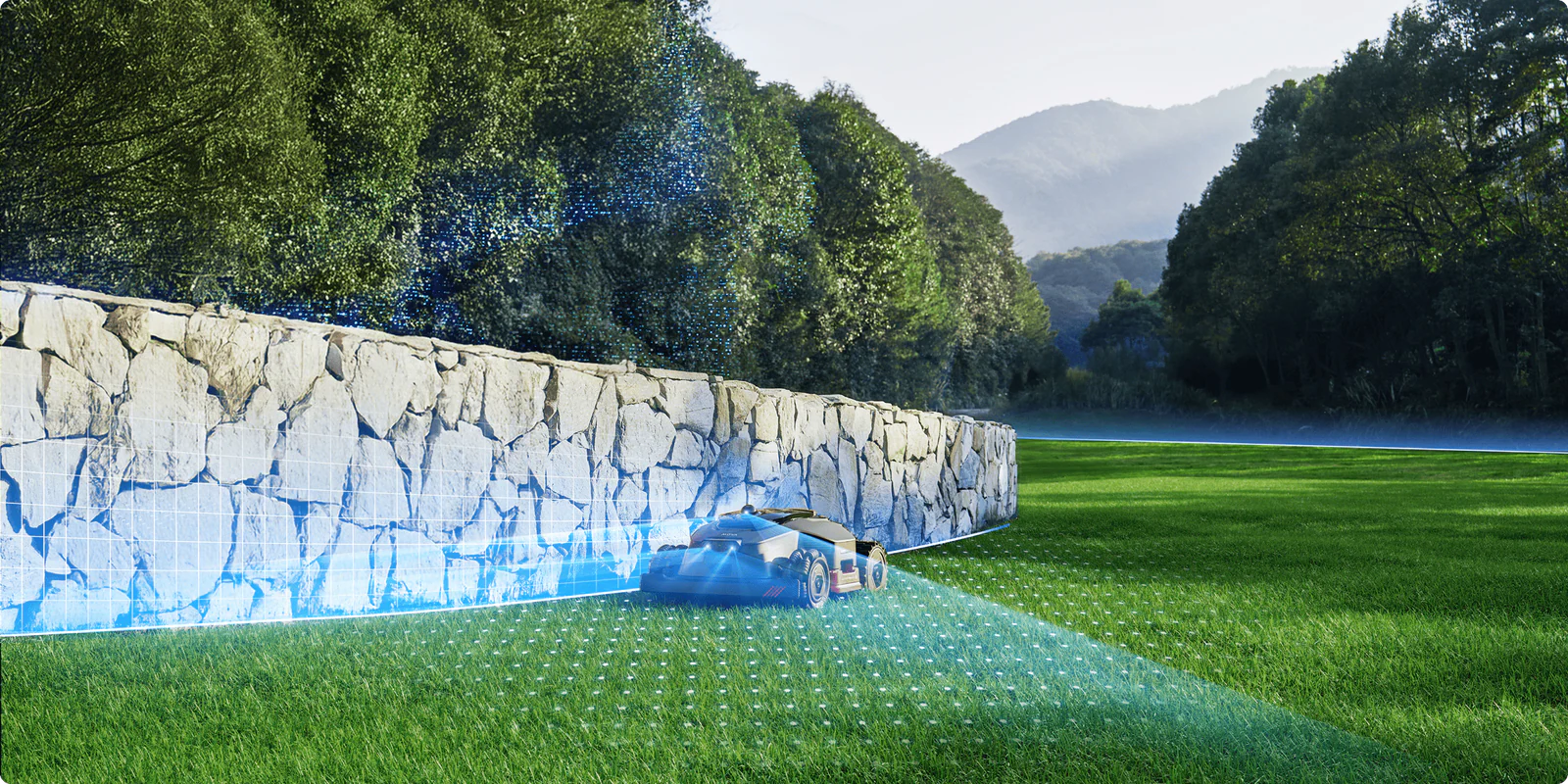
By packing 360° 3D LiDAR, Dual Vision AI, and four independent hub motors into one chassis, they have created a machine that theoretically rivals the Mammotion LUBA 3. The massive 40cm cutting width will finish a yard incredibly fast, and the promise of trimming within 3cm of a fence is the holy grail of robotic lawn care.
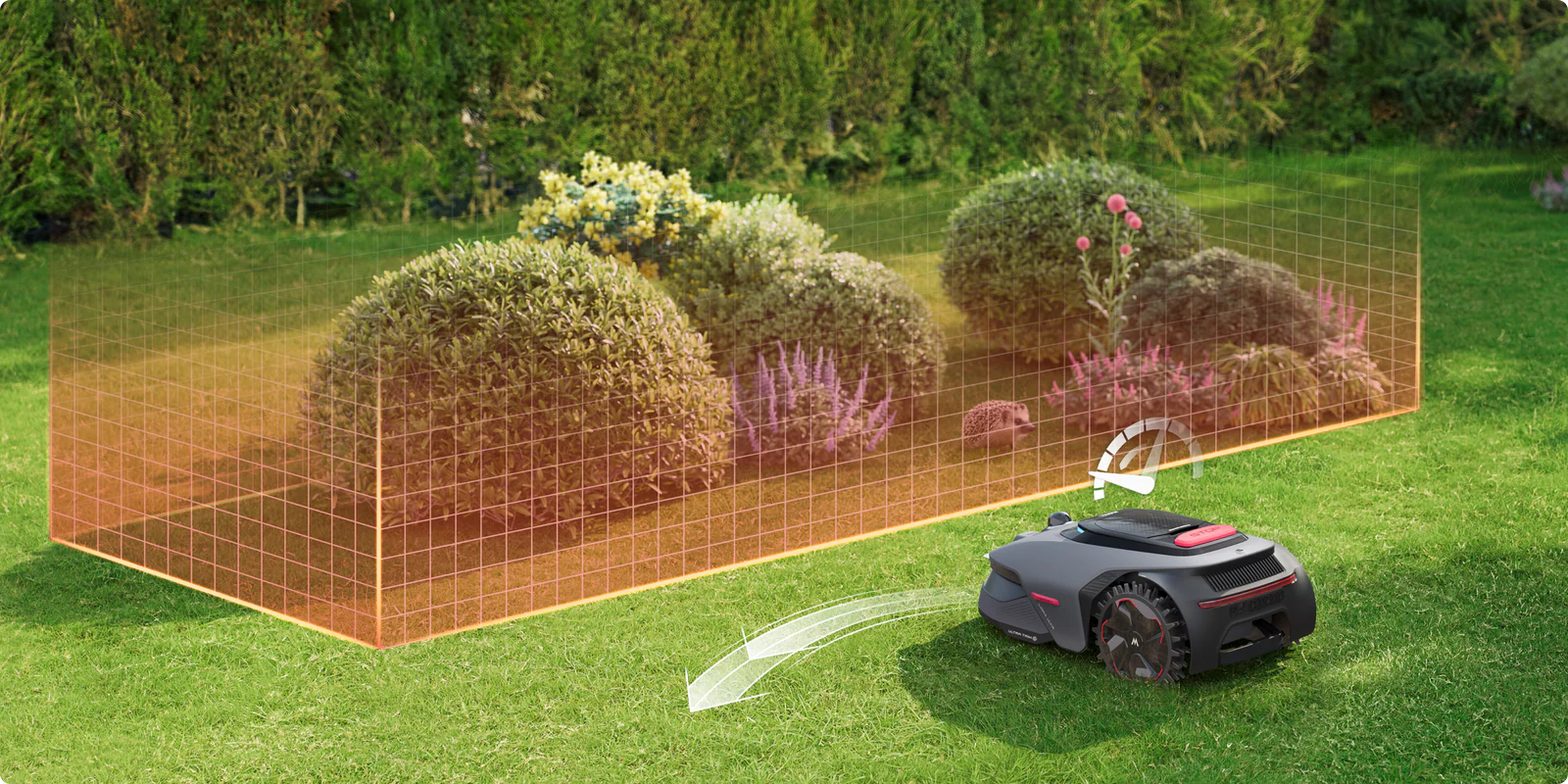
Even the baseline RWD model is impressive. Getting 3D LiDAR on a rear-wheel-drive machine means it will navigate perfectly under thick tree canopies where traditional Segway or Worx RTK GPS signals drop out.
But hardware is only 40% of the battle. Software and support are the other 60%.
The Catch: The “Robot Vacuum” Problem
This is where the massive risk comes in. MOVA (which is heavily tied to the Dreame ecosystem) is brilliant at making indoor robot vacuums. But the outdoors is a different animal.
Here is why buying a MOVA in Spring 2026 is a gamble:
1. Immature Outdoor Software Navigating a flat hardwood floor is easy. Navigating a lawn with hidden holes, wet mud, tall weeds, and glaring sunlight is incredibly difficult. Historically, when indoor vacuum brands port their software algorithms to outdoor mowers, the mowers behave poorly. They often get overly cautious, treating a patch of slightly tall grass as an “impassable solid object” and refusing to mow it.
2. The After-Sales Nightmare A robot lawn mower lives in the dirt, the rain, and the heat. Eventually, a wheel motor will fail, or a battery will die.
- Brands like Husqvarna have local dealerships.
- Brands like Segway and Mammotion have spent three painful years building dedicated USA-based repair centers.
- MOVA is just starting out. If your 50 lb AWD mower breaks down in July, are you prepared to box up a filthy, grass-covered machine and mail it to an unknown warehouse for a warranty claim? If you read early user reviews of similar “vacuum-turned-mower” brands, ghosted customer service emails are the number one complaint.
3. The “Beta Tester” Tax First-generation outdoor products always have bugs. By buying the LiDAX Ultra Series at launch, you are paying over $2,000 to be MOVA’s beta tester. You will likely experience app crashes, lost maps, and “Device Offline” errors while their software engineers scramble to patch the bugs over the summer.
The Verdict: Should You Buy It?
The MOVA LiDAX Ultra series is a beautiful piece of hardware wrapped in a massive cloud of software and support uncertainty.
🛑 The Safe Play: Wait & Watch
Who should avoid this mower?
- You want a proven app: If you want reliable, bug-free software today, stick to the Segway Navimow.
- You need reliable support: MOVA does not yet have the proven outdoor service network of Mammotion or Husqvarna.
- You hate troubleshooting: First-gen products will require patience, firmware updates, and app re-installs.
🚀 The Risk Taker: Buy It
Who is this actually for?
- You are a hardware geek: The AWD model’s 40cm cutting width and 3D LiDAR are objectively incredible.
- You need extreme edge trimming: If the 3cm UltraTrim works as advertised, it’s a massive win.
- You don’t mind software bugs: If you are okay with a clunky app while the company updates it over the summer.